EN
EN
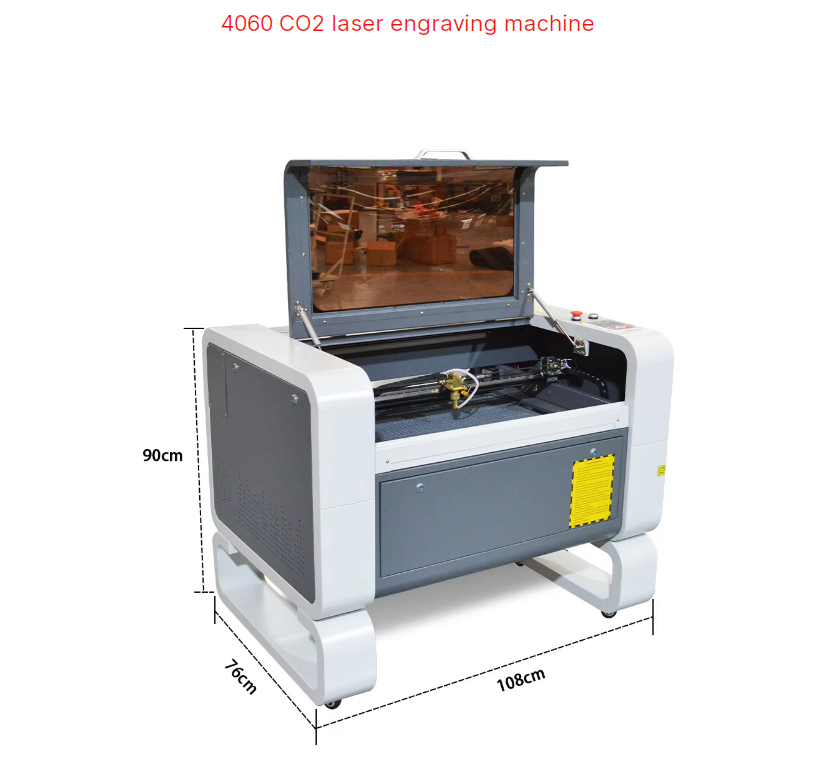
Laser engraving is a cool way to put the graphics on plastic. If you’re considering buying a laser engraving machine, it is essential to make sure you are investing in something that will meet your needs. The wavelength of the laser is an important part of this decision. Here at Voiern we know that selecting the optimal wavelength can make all the difference when it comes to plastic engraving. Let’s spell it out so you know what to seek.
What All Wholesale Buyers Must Know concerning the Laser Engraving Machines For Plastic
There are a lot of things to consider when purchasing a laser engraving machine for plastic. First off, you need to know what type of plastic you want to engrave. Various plastics respond to lasers in various ways. For instance, hard resin and wood plastic composite is able to be fantastic and see-thru product. But if the wrong laser is used, some plastics can melt or warp. You also want to know the thickness of the plastic. A more powerful laser may be necessary for thicker materials.
Equally as significant is the strength of the laser. More power means it can slice through thicker stuff faster. But if it is too powerful for some thin plastics, it can burn them or cause a messy appearance. So, it’s a fine line to walk.
You will also want to give some thought to how often you’ll want to use the machine. If you plan to engrave a volume of items, you might consider purchasing a more rugged and powerful machine. If, on the other hand, you’re just starting out or working in smaller projects a less powerful machine could do just fine.
Also think about the software which comes with the machine. Quality software can streamline crafting designs and manage expression of engraving. Ease of use Some machines are comfortable to work with than others. Also, important to know your own skill level.
Finally, consider customer service and warranties. It’s great to have someone to help if they mess up. Voiern backs our products, and we care that you are happy with your decision.
How to Choose the Most Suitable Wavelength for Perfect Plastic Engraving Results
Selecting the right wavelength of a laser engraver machine is important for working on plastic. Separate wavelengths can also influence how the laser behaves with relation to the material. CO2 lasers, for example, typically operate at a wavelength of about 10.6 micrometers. It’s the perfect wavelength for most kinds of plastic. It is able to etch deep and with a high degree of clarity, which is why the industry prefer its use.
If you are working with acrylics, the CO2 laser is often recommended because it can make clean cuts and precise engravings. Acrylic absorbs light from the laser well, resulting in bright and colorful designs.
On the other hand, if you hope to engrave materials like polycarbonate or PET, a different wavelength might be necessary. A fiber laser that’s around 1.06 micrometers in terms of wavelength is better for these sorts of plastics. Fiber lasers are also highly efficient and fast.
Also, consider the speed of engraving. Increased speed can also save time but it can compromise the depth and quality of the engraving. Lower speeds may offer more detail, but at a slower pace. It’s really important to find a speed that works for the material you’re using.
And remember that some plastics can emit harmful gasses when heated. Never work with a laser engraving machine without good ventilation. Safety first, and that goes especially for the stuff you're going to be working with.
At Voiern, we think it is important that you know how each of these factors can help you pick the right machine and wavelength for your situation. Whether you engrave for fun or are running a business, the right lens choice will mean better results and happier customers.
Where to Look For Best Laser Wavelengths for Plastic Engraving
If you want to laser engrave plastic, then choosing the correct laser wavelength is crucial. A wavelength is a measure of light, and different kinds of light work well with different materials. The plastic marked wavelength is best between 1064 nm to 532 nm. This information will be available from books on lasers or from reputable websites which discuss laser technology. If you are looking for laser engraving machine, there are brands like Voiern which can offer a machine that is designed to work with different materials including plastic. Refer to the product descriptions for which wavelengths they utilize.
Another helpful resource to search for productive wavelength is Internet forums. These are places where laser machine users chat etc. They compare notes on what they’ve tried and which wavelengths worked best for them. There’s a lot to be learned from these conversations. In one case, users could share images of their work that demonstrated how various wavelengths made the engraving look. This visual data can help you determine which wavelength may suit you best.
Or maybe just discuss it with some experts in the field. You can also reach out directly to companies such as Voiern. They usually have customer service reps who know their product inside and out. They can steer you toward the correct machine with the most suitable wavelength for the plastic you want to engrave. And remember, getting the right wavelength can make all the difference in what you end up with for your project.
Criteria to Not Look for in Wavelengths for Laser Engraving
There are a few common mistakes to avoid when you choose your wavelengths for laser engraving. First and foremost, don’t choose a wavelength just because it’s cool or fashionable. Instead, concentrate on what is under your hands, on the material you are shaping. Maybe, for instance, some wavelengths are good for wood and not plastic. If you pick the wrong one it may not engrave well, or it might destroy the plastic.
It is also a bad idea to underestimate the power of the laser. A wavelength would work, but if the power is not high enough on that laser then it will not engrave deep enough. High power, on the other hand, can melt or burn the plastic. So make sure you see the details of the Laser machine that not only wavelength should meet your project’s need but also its power, etc.
It’s also a mistake to downplay the concern with safety. Some frequencies can cause noxious fumes when engraved on plastic. Practice in a well-ventilated area with appropriate safety equipment. For safety tips on how to operate your machine, refer to the user manual that came with your machine and adhere closely.
Finally, don’t forget to test. Before you begin on your major project, make a tiny test engraving. This will allow you to see how the wavelength works your particular type of plastic. If this doesn’t appear to be quite right, you can try varying your settings or selecting a different wavelength. Testing can save you hours and material in the end!
Knowing the Right Wavelength for Laser Engraving Machines
Wavelengths are important to understand when it comes to your laser engraver. The size unit of wavelength is a nanometer (nm). A very small unit. Various materials suck up various light wavelengths. For the plastic material, typical wavelengths are approximately 1064 nm and 532 nm. This wavelengths are not too bad of damaging when cut and engrave plastic.
Keep in mind that with a laser engraving equipment, the light's wavelength matters as well because it determines how they interact with the plastic. A shorter wavelength, like 532 nm, might more easily cut through a thinner piece of plastic but slower cutting with are longer wavelength, like 1064 nm. That’s why it’s worth investing in a machine, such as those offered by Voiern, that you can set the wavelength of depending on what you are working on.
Plus, various plastics react in different ways to laser beams. For instance, acrylic and polycarbonate may engrave equally well at the same wavelength, but look different in the final product. Look up the type of plastic you want to work with and find what wavelength works best with it. There are many resources online to help you learn best practices for each type of plastic.
Finally, practice does make perfect. After you get an understanding of wavelengths the best way to improve is experimentation. Experiment with varying settings and be willing to make mistakes. Every project is an opportunity to learn and improve. You can make awesome engraved plastic items with the right information and tools from Voiern.
Table of Contents
- What All Wholesale Buyers Must Know concerning the Laser Engraving Machines For Plastic
- How to Choose the Most Suitable Wavelength for Perfect Plastic Engraving Results
- Where to Look For Best Laser Wavelengths for Plastic Engraving
- Criteria to Not Look for in Wavelengths for Laser Engraving
- Knowing the Right Wavelength for Laser Engraving Machines